Hydroxypropyl methyl cellulose ether (HPMC) for tile bond: 6 important points to note

6 important points to note when HPMC is used for tile bond

1.‌Follow the scientific ratio:

The first aspect we need to note when we use HPMC in tile bond is that we should follow the scientific ratio to ensure the performance and safety of the product. Too much HPMC may lead to insufficient bonding strength of the tile glue, thus affecting the firmness of the tile.

2.‌Pay attention to the construction environment:

Special attention should be paid to the use of HPMC in the construction of high temperature or humid environment. High temperatures may cause HPMC to dry too quickly, while wet environments may affect its water retention. Therefore, the amount of HPMC should be properly adjusted according to the temperature and humidity of the construction environment.

3.‌Avoid mixing with other materials‌:

In the ceramic tile glue using HPMC, it should be avoided to mix with other materials (such as cement, sand, glue solvent, etc.), so as not to affect the performance of HPMC, resulting in tile falling off or other quality problems.

4.‌ Check the foundation wall ‌ :

before construction, check the flatness and dryness of the foundation wall. If there is a hollow drum, powder, sandwich or weak phenomenon on the wall, it should be treated first to ensure that the tile glue is fully bonded to the wall and avoid the tile falling off.

5.‌ pay attention to storage and use period ‌:

HPMC should be stored in a cool and dry place to avoid long-term exposure to sunlight or humid environment, so as not to affect its performance. At the same time, the prepared tile glue should be used within the specified time to avoid HPMC failure due to too long time.

6.‌ appropriate mixing ‌:

If the tile bond has been stirred for too long, it should be stirred again before use to ensure that HPMC is evenly distributed in the tile glue and maintain its performance and bond strength.

Following these considerations, the selection of bdchem brand ensures the optimal application of HPMC in tile adhesive, while guaranteeing the quality and safety of construction ‌.

for more information please contact us by email info@bdchems.com or Whatsapp 008615168822620
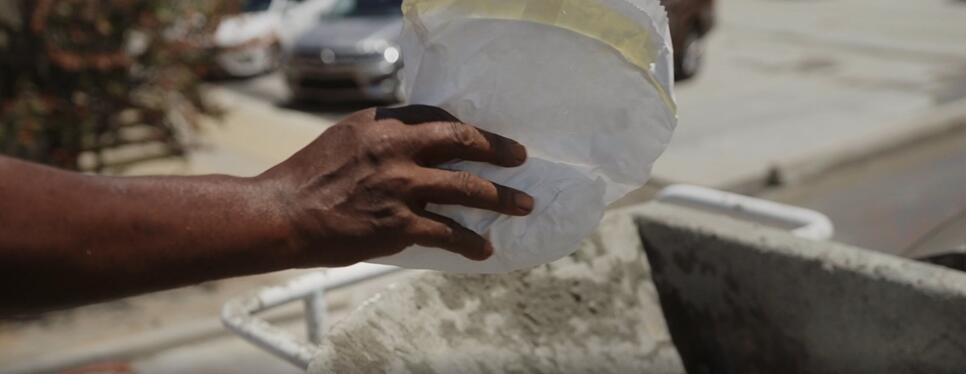
Fiber reinforced concrete

Fiber reinforced concrete is usually made of fiberglass or steel, nylon, polypropylene, depending on the design specifications. The resulting concrete reduces or suppresses the effects of shrinkage cracking during the concrete hardening stage and, depending on the type of fiber used, eliminates shrinkage reinforcement.

Applications

Their applications depend on the needs of each project, but is typically used for

  • rigid pavement,
  • industrial floor,
  • shotcrete,
  • slope protection,
  • structural reinforcement, etc.

Advantages

  • Raise durability of the works in terms of wear and surface wear;
  • To improve the tensile strength of concrete;
  • Reduce the hardening phase cracking tendency

More information of our pp fiber please check our product PP Fiber or contact us by email.

What is concrete anti-crack fibre?

What is PP Fibre? Polypropylene fibre (PPF) is a kind of linear polymer synthetic fibre obtained from propylene polymerization. It has some advantages such as lightweight, high strength, high toughness, and corrosion resistance. The PPF is widely used in the chemical industry, energy, clothing, environmental protection, and construction.

In the construction industry, concrete has the advantages of high tensile strength, strong deformation resistance, and excellent crack resistance When PPF is added to concrete, the three-dimensional random distribution network structure can be formed in concrete, which effectively inhibits microcrack generation and development.

PP fibers are used in the following applications:

Industrial pavements;Highly resistant concrete. Industrial grounds;Tunnels.

Roads.Special mortars.Precast concrete.

Among the advantages of using PP fibers for reinforcement purposes are:

More cost-effective, fast, and easy-to-use alternative to mesh as a reinforcement method.

  • Reduces the formation of retraction and contraction cracks.
  • Saves time during the construction process as it can be applied directly after combining with concrete.
  • Lower labor costs due to requiring fewer steps during the execution of the building work.
  • Provides a secondary, uniform reinforcement.
  • Easy to mix with concrete both on-site and at the manufacturing plant.
  • Noncorrosive and nonmagnetic material.
  • Provides added tenacity to structures.
  • Increased impact resistance while preventing erosion.
  • Provides safety at building works.
  • Provides 3D strengthening.
  • High traction resistance.

If you need further information or prices for ourPP Fiber products, do not hesitate to contact us at info@bdchems.com